
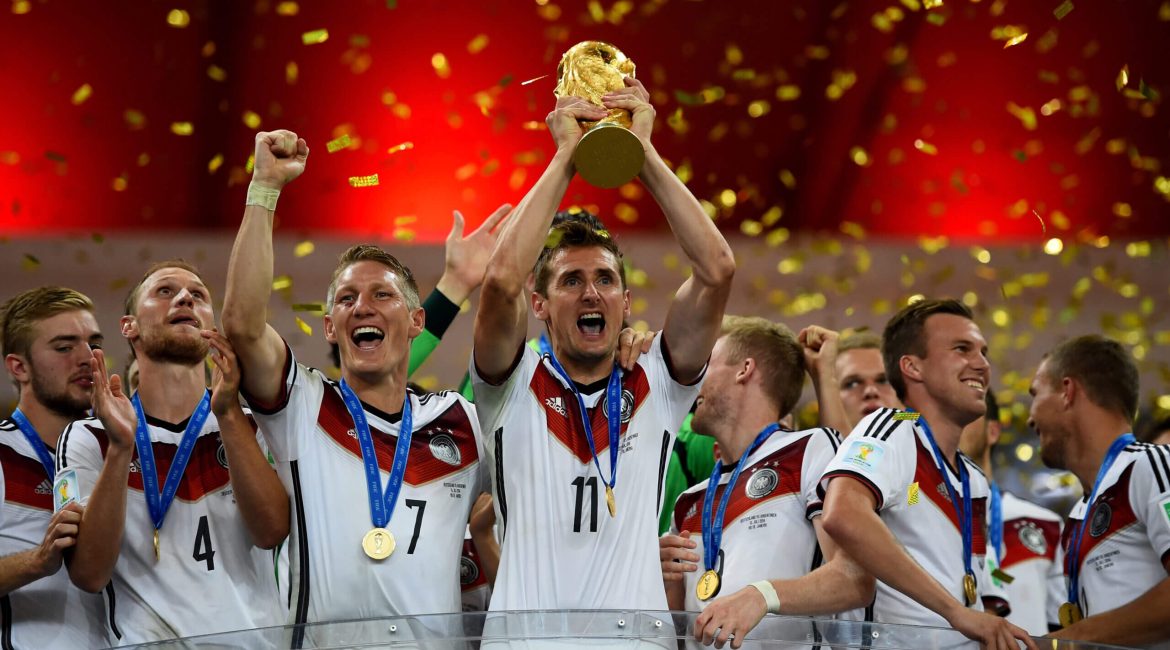
Football World Cup Top Scorers
The football world cup top scorers list is one of the most debated topics in soccer. Every four years, new stars try to climb a ladder built by legends. Some score in one magical tournament. Others deliver across four World Cups. Only a few reach the very top.
In this guide, we’ll break down the all-time ranking in the men’s tournament, explain what makes these players special, and look at patterns behind their success. We’ll cover:
– The top 10 all-time goal scorers
– Records that still stand
– Golden Boot history
– Who came close but didn’t make the top tier
– And what today’s players would need to catch up
If you love big tournament moments, clutch goals, and football history, this one’s for you.
Just like debates around the biggest Premier League rivalries, discussions about football world cup top scorers never really end — every generation has its own favorite legend.
The All-Time Top 10 Football World Cup Top Scorers
Here’s the current top 10 in men’s World Cup history (total goals scored across all tournaments):
– Miroslav Klose (Germany) – 16 goals
– Ronaldo Nazario (Brazil) – 15 goals
– Gerd Muller (West Germany) – 14 goals
– Just Fontaine (France) – 13 goals
– Pele (Brazil) – 12 goals
– Sandor Kocsis (Hungary) – 11 goals
– Jurgen Klinsmann (Germany) – 11 goals
– Helmut Rahn (West Germany) – 10 goals
– Gary Lineker (England) – 10 goals
– Thomas Muller (Germany) – 10 goals
These numbers come from official records of the FIFA World Cup.
Let’s go deeper.
Miroslav Klose: The Benchmark at 16 Goals
When people search for football world cup top scorers, Klose is the name that comes up first. And for good reason.
He scored 16 goals across four tournaments (2002, 2006, 2010, 2014). What stands out?
– He wasn’t flashy.
– He wasn’t the most technically gifted.
– But he was clinical and consistent.
Five goals in 2002. Five more in 2006. Four in 2010. Two in 2014. And that final one broke Ronaldo’s record.
What made Klose special was movement. He attacked space better than almost anyone. He also benefited from strong German teams that regularly reached semifinals and finals.
Unique insight: Klose’s record isn’t just about finishing. It’s about durability. Many great strikers peak once. Klose adapted his role over 12 years. That’s rare.
Ronaldo Nazario: Peak Brilliance on the Biggest Stage
Before Klose passed him, Ronaldo was the face of World Cup scoring.
He scored 15 goals between 1998 and 2006. His eight goals in 2002 carried Brazil to the title.
What made him different?
– Explosive pace
– Elite dribbling
– Ice-cold finishing
Unlike some players on the football world cup top scorers list, Ronaldo created his own chances. He didn’t just wait in the box.
He also returned from serious knee injuries. Many thought his career was over before 2002. Instead, he won the Golden Boot and the World Cup.
Many fans also wonder how many trophies did Cristiano Ronaldo win in his career, and while his club success was impressive, his 2002 World Cup performance remains the defining moment.
Perspective: Ronaldo’s goals came in high-pressure knockout matches. That matters. Not all goals are equal. He delivered when it counted most.
Gerd Muller and the Art of Efficiency
Gerd Muller scored 14 goals in just two tournaments (1970, 1974). That’s incredible efficiency.
He averaged nearly a goal per game in World Cup play.
His style?
– Quick turns
– Low center of gravity
– One-touch finishes
He helped West Germany win in 1974 and score freely in 1970.
Unlike modern forwards, Muller operated in tight spaces. Defensive systems were different back then. But finishing still required elite instincts.
Insight: If Muller had played four tournaments like Klose, the record might look very different.
Just Fontaine: The Untouchable Single-Tournament Record
Fontaine scored 13 goals in one tournament — 1958. That record still stands.
Thirteen goals in six matches.
Let that sink in.
No one has come close since. The closest modern total was 8 in one edition.
Why hasn’t it been broken?
– Defensive organization improved
– Teams play more cautiously in knockouts
– Rotation and tactical discipline reduce open games
Fontaine’s record feels safe. In today’s game, it would take a perfect storm: a high-scoring team, favorable draw, and a striker in peak form.
Pele and the Power of Longevity
Pele scored 12 goals across four World Cups and won three titles.
His impact wasn’t just numbers. He changed how attackers played.
He debuted at 17. Scored twice in the 1958 final. Then kept delivering.
Unlike others on this list, Pele combined creativity and scoring. He wasn’t only a finisher — he built plays.
Unique take: Pele’s reputation often overshadows his numbers. But 12 goals in that era, with heavy tackles and limited substitutions, is remarkable.
And since fans often ask how often is the World Cup actually played, it’s worth remembering the tournament takes place every four years — which makes breaking scoring records even harder.
The 10-Goal Club: Consistency Across Eras
Several players reached 10 or 11 goals. That’s still elite.
– Sandor Kocsis (11)
– Jurgen Klinsmann (11)
– Helmut Rahn (10)
– Gary Lineker (10)
– Thomas Muller (10)
Each had different paths.
Lineker won the Golden Boot in 1986.
Thomas Muller exploded with 5 goals in 2010 as a 20-year-old.
The pattern? Most of them played at least two tournaments and had deep team runs.
Insight: To enter the football world cup top scorers top 10, talent isn’t enough. You need tournament longevity and strong national teams.
Golden Boot Winners vs All-Time Leaders
Winning the Golden Boot (top scorer of one tournament) doesn’t guarantee a place in the all-time ranking.
Some Golden Boot winners scored 5 or 6 goals in one edition but never repeated it.
The difference?
– All-time leaders perform across multiple cycles.
– One-tournament stars peak once.
That’s why consistency matters more than a single hot streak.
Why Modern Players Struggle to Break Records
You might wonder: with more games now, shouldn’t records fall?
Not necessarily.
Modern football is:
– More tactical
– More defensive
– More physically demanding
Also, star players face tighter marking.
And here’s another factor: squad rotation. Coaches rest key players in group stages. That reduces scoring chances.
Even elite names from recent years haven’t reached 15+ goals.
Who has the most goals in World Cup history?
Miroslav Klose leads with 16 goals.
What is the record for most goals in a single World Cup?
Just Fontaine scored 13 in 1958, the highest in one tournament.
Has anyone scored in four World Cups?
Yes, several players have scored across four tournaments, including Klose and Pele.
How many goals did Ronaldo score in World Cups?
Ronaldo Nazario scored 15 goals across three tournaments.
Is the Golden Boot winner always among all-time top scorers?
No. Many Golden Boot winners peak once but don’t accumulate long-term totals.
Conclusion
The story of the football world cup top scorers is about more than numbers. It’s about moments. Finals. Comebacks. Big-stage pressure.
Klose’s 16 goals set the benchmark. Ronaldo brought flair. Muller showed ruthless efficiency. Fontaine created a record that still feels untouchable.
What ties them together? Longevity and performance when it matters most.
Records are made to be broken. But this one won’t fall easily.
So here’s the question:
Do you think anyone in the next two World Cups can reach 16 goals — or is Klose safe for decades?
Let me know your thoughts, and share this with a friend who loves World Cup debates.
What Fans Are Sharing
Famous Irish Football Players: Legends & Icons
The best guide to famous Irish football players: career highlights, club success, international impact, and why these legends still matter.

Highest Goal Scorer in Bundesliga History
The race for the highest goal scorer in Bundesliga includes Müller, Lewandowski, and more. See the full ranking and scoring records.

Biggest Soccer Stadium in the World: Top Giants of Football
From record crowds to historic matches, this guide to the biggest soccer stadium in the world covers the top football venues every fan should know.

Liverpool Premier League Titles: Complete History
How many Premier League titles does Liverpool have? See Liverpool’s complete league title history, iconic seasons, and the story behind their 2020 and 2025 triumphs.

Famous Brazilian Soccer Players: Legends Who Defined the Game
Some players score goals. Others change the game. Meet the Famous Brazilian Soccer Players who turned football into an art form.

Biggest Premier League Rivalries: The Ultimate Guide Fans Love
Which is the biggest Premier League rivalry? From Liverpool vs Man United to the North London Derby — see the fiercest battles ranked.