
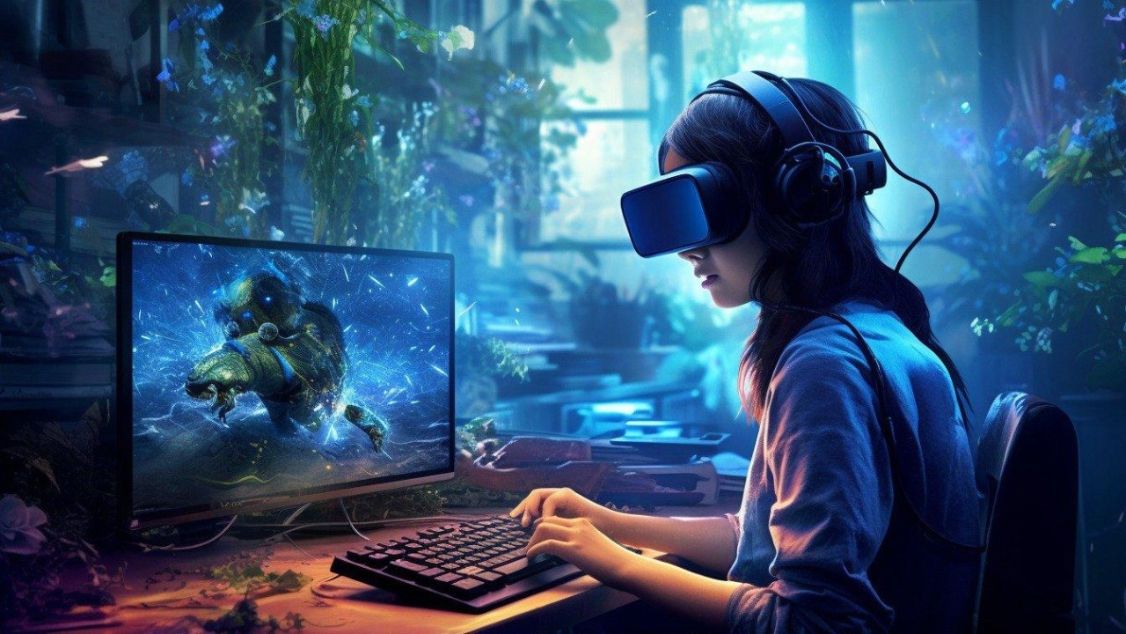
Major Emerging Technologies in Gaming
Gaming never stands still. One year it’s about better graphics cards, the next it’s about games streaming from the cloud or characters powered by artificial intelligence. If you follow gaming or esports closely, you’ve probably noticed how quickly things are evolving.
The emerging technologies in gaming are changing more than visuals or performance. They affect how games are built, how players interact with them, and even who gets access to them. New systems like AI, cloud streaming, and immersive hardware are reshaping both casual gaming and competitive esports.
Developers are experimenting with smarter characters, huge procedurally generated worlds, and systems that adapt to each player. At the same time, esports teams are using data analysis, AI tools, and advanced training tech to gain an edge in competition.
Many of these changes fall under the broader future of gaming technology, where games become more dynamic, social, and accessible across devices.
In this article, we’ll break down the biggest gaming technology trends 2025 and beyond. We’ll look at how they work, where they’re already used, and why they matter for players, developers, streamers, and esports fans.
Artificial Intelligence in Gaming
Artificial intelligence has quietly become one of the most important drivers behind the modern gaming industry. What used to be simple enemy scripts or predictable behavior has evolved into systems that can learn, adapt, and respond to players in real time.
Today, AI in video games influences everything from character behavior to game development tools.
Smarter NPC Behavior
Older games relied on scripted responses. If you played long enough, you could predict exactly how enemies would react.
Now developers are experimenting with AI-powered NPCs that behave more naturally. These characters can:
– react differently based on player decisions
– adjust difficulty dynamically
– remember previous interactions
This makes game worlds feel more believable and less repetitive.
AI in Game Development
Artificial intelligence is also helping developers create games faster. AI tools can assist with:
– testing levels automatically
– identifying bugs
– generating textures and environments
– analyzing player feedback
This speeds up production and allows studios to build larger games with smaller teams.
Example in Popular Games
Competitive titles like Call of Duty rely heavily on advanced AI systems for bots and training modes. Many COD games now use AI systems to simulate realistic enemy behavior, helping players practice strategies before entering multiplayer matches.
Unique Insight
The biggest shift is that AI is becoming a creative tool, not just a gameplay mechanic.
Designers can generate multiple versions of environments or quests quickly, then refine the best ones. In the long run, AI could help build entire campaigns dynamically based on player actions.
Cloud Gaming and Game Streaming
Hardware has always been a barrier for many gamers. High-end gaming PCs and consoles can be expensive.
Cloud gaming is trying to solve that problem.
Instead of running games locally, the game runs on remote servers and streams the video to the player’s device.
How Cloud Gaming Works
If you’ve ever wondered how cloud gaming works, the concept is similar to video streaming.
Here’s the basic process:
– The game runs on a powerful remote server.
– Your inputs are sent through the internet.
– The server processes the gameplay.
– A video stream of the game is sent back to your device.
This means even a basic laptop, tablet, or smartphone can play demanding games.
Benefits of Cloud Gaming
Cloud gaming allows players to:
– access games instantly
– avoid large downloads
– switch devices easily
– play high-end titles without expensive hardware
Several cloud gaming platforms are already pushing this technology forward.
Impact on Esports
Cloud infrastructure also helps expand competitive gaming worldwide.
Players from regions with limited hardware access can still compete online. This increases the global talent pool for esports competitions.
Unique Insight
If internet speeds continue to improve, cloud gaming might shift the industry toward subscription-based gaming libraries, similar to streaming services.
Virtual Reality and Augmented Reality
Another major part of the emerging technologies in gaming conversation involves VR and AR.
These technologies aim to make gaming more physical and immersive.
Virtual Reality Gaming
Virtual reality gaming technology places players directly inside digital environments.
Instead of watching a screen, you experience the game from a first-person perspective using a headset.
Players interact through:
– motion tracking
– hand controllers
– body movement
This creates highly immersive gaming experiences where players feel physically present inside the game world.
Augmented Reality Gaming
AR works differently. Instead of replacing the real world, it adds digital elements to it.
Many augmented reality games overlay characters or objects on real-world environments using smartphone cameras or AR glasses.
Competitive Possibilities
VR and AR could create new esports formats where players move physically during competition.
Instead of sitting at a desk, players might compete in large arenas using full-body movement.
Unique Insight
The long-term potential of VR esports lies in blending gaming with athletic movement, creating a hybrid between digital competition and physical sports.
Blockchain, Web3, and Digital Ownership
Another area gaining attention is blockchain gaming technology.
Blockchain systems allow players to truly own digital items.
In traditional games, items exist only within the developer’s servers. If the game shuts down, those items disappear.
Digital Ownership in Games
With blockchain systems, players can own assets such as:
– characters
– skins
– weapons
– virtual land
These items exist on decentralized networks.
Web3 Gaming Ecosystem
Many developers are exploring the idea of a Web3 gaming ecosystem, where assets can move between games and platforms.
For example, a cosmetic item purchased in one game could potentially appear in another.
Player-Driven Economies
Some blockchain games allow players to earn tokens or trade digital assets with other players.
This introduces new economic systems inside virtual worlds.
Unique Insight
The most practical use of blockchain may not be cryptocurrency rewards but secure ownership of digital assets across multiple gaming platforms.
Procedural Generation and AI-Built Worlds
Modern games often contain massive open worlds. Building these environments manually takes years.
This is where procedural generation in games becomes useful.
What Procedural Generation Means
Procedural systems use algorithms to generate environments automatically.
Instead of designing every mountain, forest, or dungeon manually, developers create rules that generate these elements dynamically.
Examples
Procedural systems are used for:
– open-world terrain
– dungeon layouts
– item generation
– quest variations
Some games create entire galaxies using these systems.
Benefits for Players
Procedural worlds increase replay value because each playthrough can be slightly different.
Players explore new environments every time they start a game.
Unique Insight
Combining procedural generation with AI could eventually allow games to create personalized worlds that adapt to each player’s style.
Advanced Graphics and Real-Time Rendering
Graphics technology continues to evolve with each generation of hardware.
Developers are pushing realism using advanced rendering techniques and more powerful engines.
Real-Time Ray Tracing
Ray tracing simulates how light behaves in real life.
This allows games to produce:
– realistic reflections
– accurate shadows
– natural lighting
AI Graphics Enhancement
Machine learning technologies can upscale images and improve performance without sacrificing quality.
Next Generation Hardware
Many of these improvements depend on next generation gaming hardware that can handle advanced rendering tasks in real time.
Modern engines can now produce environments that look almost cinematic.
Unique Insight
Eventually, fully simulated worlds with real physics systems could replace scripted events, making game environments feel more alive.
Haptics, Wearables, and New Input Methods
Controllers have been the standard input device for decades.
But new technologies are introducing alternative ways to interact with games.
Haptic Feedback
Haptic systems allow players to feel vibrations, impacts, and textures through controllers or wearable devices.
This adds physical feedback to gameplay.
Wearable Gaming Technology
Wearable sensors can track:
– body movement
– heart rate
– physical reactions
Games could adapt difficulty based on how players respond emotionally or physically.
Voice and Gesture Controls
Future games may rely more on:
– voice commands
– gesture recognition
– biometric signals
Unique Insight
These technologies could transform training methods in esports by analyzing player stress levels and reaction patterns.
The Metaverse and Social Gaming Worlds
Gaming has become one of the most social forms of digital entertainment.
The idea of the metaverse builds on that trend.
What the Metaverse Means for Gaming
The concept involves persistent digital spaces where players interact through avatars.
Many early versions already exist in metaverse gaming platforms.
These environments allow players to:
– socialize
– create content
– attend events
– compete in games
Player-Generated Worlds
Some metaverse systems allow players to design their own experiences and games.
This turns the community into part of the development process.
Unique Insight
Future esports tournaments could take place inside virtual arenas where fans attend matches using avatars.
Data Analytics and AI Coaching in Esports
Competitive gaming has become extremely data-driven.
Teams now analyze performance metrics in the same way traditional sports teams study statistics.
These developments are part of growing esports technology trends.
Performance Tracking
Teams collect data such as:
– reaction times
– player positioning
– weapon accuracy
– decision patterns
AI Coaching Systems
Artificial intelligence can analyze gameplay footage and identify strategic mistakes.
Players can then adjust strategies during practice sessions.
New Opportunities for Players
Many players who wonder how do you get into esports often overlook how important analytics and training tools have become.
Professional teams now rely on technology to improve performance and scouting.
Unique Insight
In the future, esports broadcasts may include AI-generated insights explaining strategies to viewers in real time.
The Future: Fully Adaptive Games
The next generation of games will likely be much more adaptive.
Instead of fixed storylines and static worlds, games may evolve based on player actions.
Developers are combining AI, procedural generation, cloud computing, and advanced hardware to create dynamic experiences.
What Adaptive Games Might Look Like
Future games could:
– generate unique storylines for each player
– adjust difficulty automatically
– create evolving worlds that change over time
Continuous Online Worlds
Some future games may never truly end.
They could evolve for years through updates and player-driven events.
Unique Insight
The most exciting part of the future may be how these technologies combine to create new types of interactive storytelling.
Conclusion
Gaming technology is moving forward faster than ever.
Artificial intelligence, cloud infrastructure, immersive hardware, and new development tools are changing the way games are built and experienced.
For players, this means more dynamic worlds, smarter characters, and easier access to high-quality games across devices.
For esports fans, technology is transforming competition through advanced analytics, training tools, and interactive viewing experiences.
Many of the changes happening today may shape the gaming industry for the next decade.
The games of the future will likely be more personalized, social, and connected than anything we’ve seen before.
If you’re a gamer, streamer, or esports fan, it’s worth paying attention to these technologies because they will shape how we play, compete, and experience games in the years ahead.
What are the biggest emerging technologies in gaming?
The biggest technologies include artificial intelligence, cloud gaming, VR and AR systems, blockchain ownership, procedural world generation, and advanced graphics engines.
How is AI used in gaming today?
AI helps create smarter NPCs, assists with game development, improves testing processes, and analyzes player behavior.
What are cloud gaming platforms?
Cloud gaming services run games on remote servers and stream them to players’ devices, allowing high-end games to run on basic hardware.
Will VR replace traditional gaming?
VR will likely grow as a gaming platform, but it will probably exist alongside PC, console, and mobile gaming rather than replacing them.
What role does data play in esports?
Data analysis helps teams track performance, refine strategies, and improve training methods.
Join the Conversation
What gaming technology are you most excited about?
AI-driven worlds, VR esports arenas, or cloud gaming becoming mainstream?
Share your thoughts with other gamers and send this article to a friend who follows esports or gaming tech. Let’s hear what you think.
Beyond the Headlines
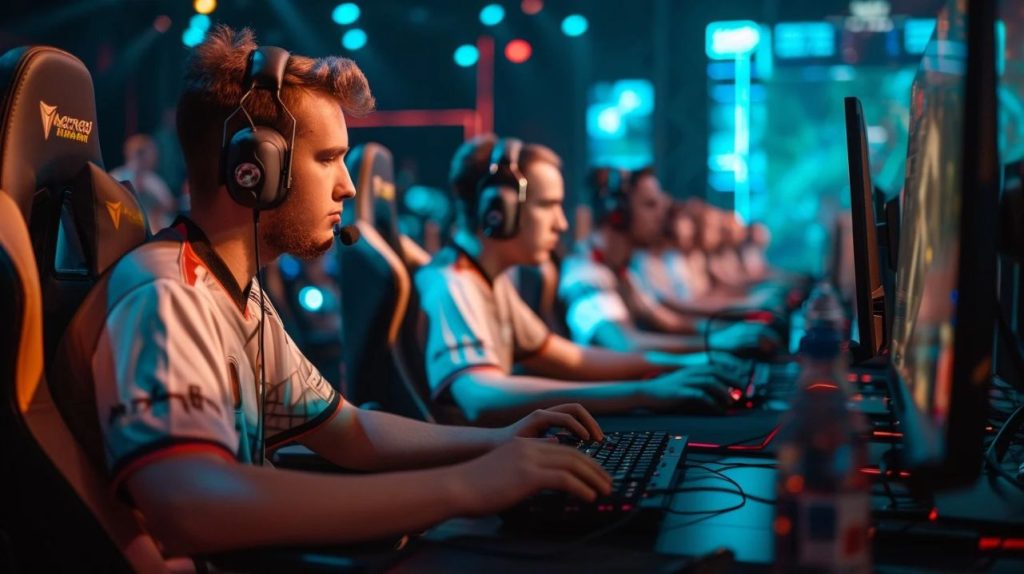
How Do You Get Into Esports? A Practical Guide for Gamers
Pro gamers started somewhere too. Learn how to become a professional gamer, improve your skills, and find your first esports team.
How Does Cloud Gaming Work? A Gamer’s Guide
How does cloud gaming work behind the scenes? We break down the tech, the latency truth, and whether it’s good enough for serious gamers.
How Many Call of Duty Games Are There? COD Games List (2003-2026)
How many Call of Duty games are there in 2026? We counted every main title, spin-off, and Warzone release. The full COD games timeline is bigger than you think.