
How Does the Finals Work for NBA?
If you’ve ever asked yourself, how does the Finals work for NBA, you’re not alone. Every spring, the regular season fades, the intensity rises, and suddenly every possession matters more. But the NBA Finals don’t just appear out of nowhere. There’s a full system behind it — regular season standings, the play-in tournament, playoff brackets, and finally the championship series.
In this guide, I’ll break it down step by step. We’ll cover:
– How teams qualify for the postseason
– How the NBA play-in tournament works
– How the playoff bracket is structured
– What “best-of-seven” actually means
– How home-court advantage works
– And exactly how the NBA Finals decide a champion
If you’re an NBA fan who wants a clear, no-nonsense explanation of how does the finals work for nba, this is for you.
While we’re focused on how the championship is decided, many fans also dive into related NBA topics during the postseason — from debates about the highest vertical jump in league history to trivia like the lowest scoring game ever played. The Finals sit at the center of all those conversations.
The Road to the NBA Finals: Regular Season → Playoffs
Before we get to the Finals, we need context.
NBA Regular Season Basics
The NBA regular season runs 82 games per team. Each team competes within its conference — Eastern and Western — trying to secure the best possible record.
Standings matter a lot. They determine:
– Playoff seeding
– Home-court advantage
– Whether a team avoids the play-in tournament
The top six teams in each conference automatically qualify for the playoffs. Teams ranked 7th through 10th enter the play-in tournament.
This system rewards consistency. A team that dominates from October through April earns a better postseason position.
The NBA Play-In Tournament Explained
The NBA introduced the play-in format permanently in 2021. It adds urgency and gives fringe teams a real shot.
How the Play-In Tournament Works
Here’s the format:
– 7th seed vs 8th seed
Winner becomes the official 7th playoff seed.
– 9th seed vs 10th seed
Loser is eliminated.
– The loser of 7/8 plays the winner of 9/10.
Winner becomes the 8th playoff seed.
So if you finish 7th or 8th, you get two chances. If you finish 9th or 10th, you must win twice.
This has produced real drama. For example, lower-seeded teams have used the play-in momentum to challenge higher seeds in the first round.
From an SEO perspective, this answers a key fan question: nba play-in tournament format explained step by step.
And it matters because every Finals run starts here.
NBA Playoffs: Bracket and Series Format
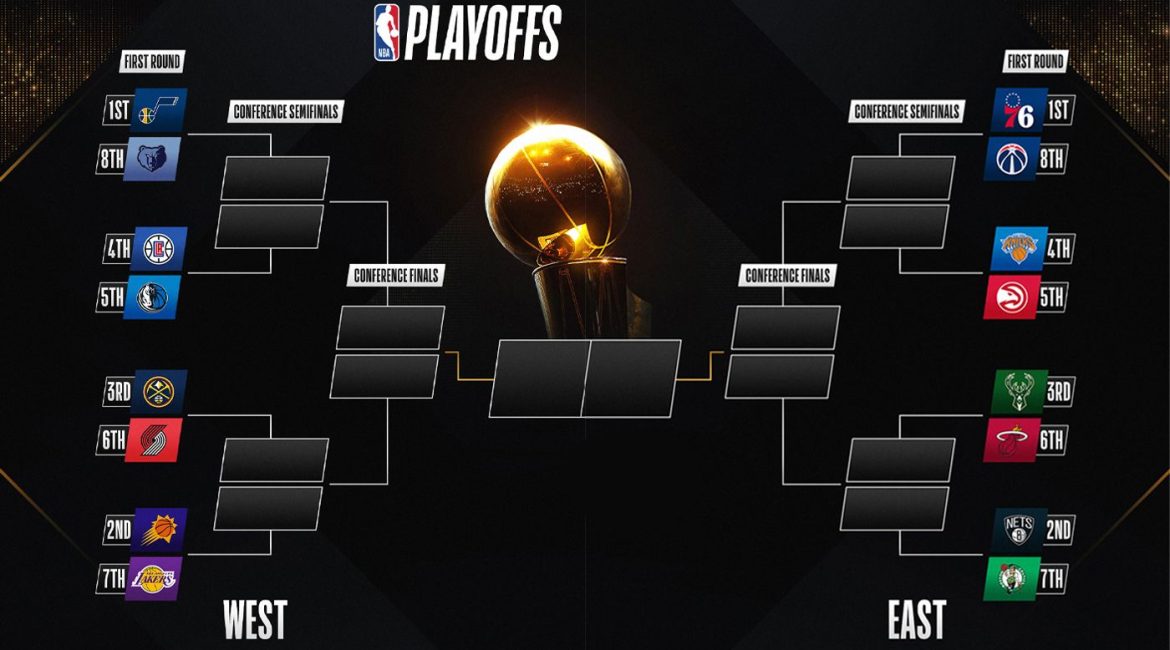
Once the top eight seeds are set in each conference, the real bracket begins.
NBA Playoffs Bracket Explained
The format is simple:
– 1 vs 8
– 2 vs 7
– 3 vs 6
– 4 vs 5
Each round is a best-of-seven series.
There are three rounds before the Finals:
– First Round
– Conference Semifinals
– Conference Finals
The winners of the Eastern and Western Conference Finals advance to the NBA Finals.
This structure hasn’t changed in decades. Stability helps fans follow the path clearly.
What Does Best-of-Seven Mean in the NBA?
This is crucial to understanding how does the finals work for nba.
A best-of-seven series means:
– First team to win 4 games advances
– Maximum of 7 games
– Series ends once one team reaches 4 wins
This applies to every playoff round, including the Finals.
Why seven games?
Because it reduces randomness. One lucky shooting night won’t decide a champion. Over seven games, depth, adjustments, and coaching matter more.
Historically, best-of-seven formats have produced some of the most memorable comebacks in sports — including teams coming back from 3-1 deficits.
What’s interesting is how small rule details can swing a playoff series. For example, understanding the official NBA rules on traveling becomes more important in tight Finals games, where every possession is scrutinized by referees and replay reviews.
Home-Court Advantage and the 2-2-1-1-1 Format
Home-court advantage is based on regular season record.
The team with the better record hosts:
– Games 1 and 2
– Game 5 (if needed)
– Game 7 (if needed)
The format looks like this:
2-2-1-1-1
That means:
– 2 games at higher seed
– 2 games at lower seed
– Alternate if necessary
This applies to the NBA Finals as well.
Does home-court matter?
Historically, teams with home-court advantage win the series more often than not. The crowd energy, familiar shooting background, and reduced travel can make a difference.
If you’ve wondered how does nba finals home court advantage work, this is it.
What Is the NBA Finals?
Now we get to the main question: how does the finals work for nba at the championship level?
The NBA Finals is the final playoff round between:
– Eastern Conference Champion
– Western Conference Champion
It’s also a best-of-seven series.
The winner earns the league title and lifts the Larry O’Brien Championship Trophy.
The Finals usually take place in June.
There’s no reseeding. It’s simply the two conference winners facing off.
How Many Games Are in the NBA Finals?
Maximum: 7
Minimum: 4 (if one team sweeps)
A “sweep” happens when a team wins 4-0.
The Finals follow the same 2-2-1-1-1 structure as earlier rounds.
Travel days are scheduled between games, especially when teams are on opposite coasts.
So when someone asks how many games are in the nba finals, the answer is: up to seven, first to four wins.
What Do Champions Win?
Winning the Finals means:
1. The Trophy
The Larry O’Brien Championship Trophy is awarded to the champion.
2. Finals MVP
The best player in the series receives the NBA Finals Most Valuable Player Award.
This award often defines legacies. Many players are remembered not just for championships, but for Finals MVP performances.
Historical Example: 2025 NBA Finals
The 2025 NBA Finals featured a competitive series between conference champions. It followed the same best-of-seven format, showing how consistent the structure has remained.
Recent Finals have also shown:
– High offensive ratings
– Heavy reliance on star players
– Increased three-point shooting
The structure doesn’t change. The style of play evolves.
Why the Finals Format Works
The NBA doesn’t change its Finals structure often. And that’s intentional.
Here’s why it works:
– Seven games reward depth
– Adjustments matter
– Coaching becomes critical
– Role players step up at home
It also creates drama. A Game 7 in the Finals is one of the most intense environments in sports.
And because everything builds from the regular season through the play-in and playoffs, the journey feels earned.
The NBA has always balanced size, skill, and athleticism. Even discussions about the shortest basketball players in league history show how the playoff structure gives every type of player a chance to make an impact — whether through speed, shooting, or defense.
How does the finals work for nba exactly?
It’s a best-of-seven series between the Eastern and Western Conference champions. First team to win four games wins the title.
How many games are in the NBA Finals?
Up to seven. The series ends once a team reaches four wins.
Does every playoff round use best-of-seven?
Yes. Every round, including the Finals, follows the same format.
How does NBA Finals home-court advantage work?
The team with the better regular season record hosts Games 1, 2, 5, and 7 under the 2-2-1-1-1 format.
What is the NBA play-in tournament format?
Seeds 7–10 compete in short elimination games to secure the final two playoff spots in each conference.
Conclusion
So, how does the Finals work for NBA?
It’s simple in structure but intense in execution.
Teams battle through 82 regular season games. Some survive the play-in. Sixteen enter the playoffs. Two remain. Then a best-of-seven series decides everything.
Four wins separate a contender from a champion.
The system rewards consistency, depth, and adaptability. It balances fairness with drama. And that’s why every June, the NBA Finals feel earned — not random.
If you’re following your team’s path next season, now you know exactly how the journey unfolds.
Stay in the Game

Sickest Dunks of All Time (NBA’s Craziest Posters)
From MJ to Ja Morant, discover the sickest dunks of all time that shocked fans and broke the internet.
Funny March Madness Bracket Names (Best Ideas for 2026)
Stuck choosing a bracket name? This guide to funny March Madness bracket names includes 100+ clever puns, pop-culture ideas, and office-pool favorites.

Anthony Edwards Net Worth: How Rich Is Ant-Man in 2026?
Anthony Edwards net worth revealed. See his $244M contract, Adidas deal, and how the Timberwolves star built his fortune so early.

Biggest NBA Stadium: The Largest NBA Arenas Ranked
Which NBA arena holds the most fans? See the full ranking of the biggest NBA stadiums and learn what makes these venues legendary for basketball crowds.

Wealthiest Owners in Sports: Billionaires Behind Teams
Meet the wealthiest owners in sports, from NBA tech billionaires to NFL retail dynasties. See who tops the list and how much they’re worth.

Tallest Active NBA Player: The Giants of the Modern NBA
Who is the tallest active NBA player in 2026? Meet the 7-foot giants dominating the league and see how Victor Wembanyama compares with the tallest players ever.

Best Shooting Guards of All Time – Top NBA SG Legends
Who’s really No. 1 on the list of best shooting guards of all time? Jordan? Kobe? Harden? See the full ranking and decide for yourself.

Basketball Positions Explained: NBA Roles & What They Do
Confused about NBA roles? This visual guide breaks down all 5 basketball positions with court maps and real examples.

Most Turnovers in NBA History: Career, Season & Playoff Records
Who really owns the most turnovers in NBA history? The answer might surprise you. Career, season & playoff records revealed.